 +371 25 856 856
 WhatsApp
 shop@gastroserviss.lv
 Contacts
Additional information from GS24.lv / Gastroserviss SIA
Used professional equipment is selected not only by model name or price. For this category, actual availability, condition of the specific unit, completeness, connection, possibility of checking, delivery, dismantling, installation and further service are important.
What to consider when choosing used equipment
- availability depends on the specific unit and can change after one item is sold;
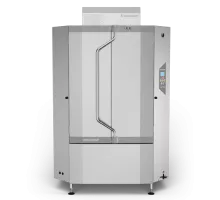
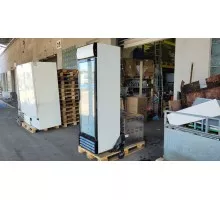
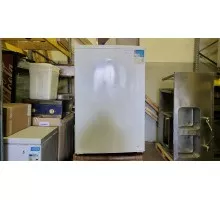
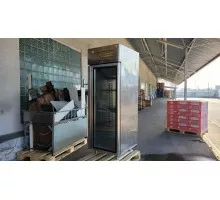
- description and photos should refer to the actual equipment, not only to the model;
- dimensions, connection, power, phase, gas, water, drain and extraction should be checked before purchase;
- for thermal equipment, heating, switches, thermostats, chambers, seals and working surfaces are important;
- for refrigeration equipment, compressor, temperature, doors, seals, heat removal and stable operation are important;
- for dishwashing equipment, pumps, boiler, tank, dosing units, drain, baskets and washing quality should be checked;
- for older models, spare parts availability should be checked in advance;
- delivery, carrying, dismantling, installation and preparation costs can affect the final practicality of the purchase.
Related sections
- Service section — general section for used equipment, spare parts, service and related work;
- Spare parts for HoReCa — parts and components for professional kitchen equipment;
- Service & Repair — diagnostics, checking, repair and service support for equipment;
- Delivery, Installation & Dismantling — moving, carrying, connection and dismantling of professional equipment.
When used equipment is suitable
- equipment must be replaced quickly;
- budget is limited, but professional equipment is required;
- equipment is needed for a temporary site, season or format test;
- a specific model, size or connection type is needed;
- condition and completeness can be checked before purchase;
- purchase, preparation and installation remain practical compared with new equipment.
When new equipment is better
- the equipment must work every day under intensive load;
- factory warranty, documentation and predictable working life are required;
- the site is built by project and needs one equipment series;
- new appearance, exact completeness and no signs of use are important;
- there is no possibility to check the actual used unit;
- repair, delivery and preparation make the used purchase impractical.
Request used equipment
For selection or checking of used equipment, it is useful to specify the equipment type, dimensions, connection, target budget, installation site and urgency. If an old unit must be replaced, a nameplate photo, general equipment photo and installation space dimensions are useful.
- what type of equipment is needed;
- whether exact dimensions or format are required;
- what connection is available at the site;
- whether delivery, carrying, dismantling or installation is important;
- whether condition must be checked before purchase;
- whether spare parts, consumables or service maintenance are needed.
FAQ
1. What is included in the used equipment section?
The section may include different professional kitchen equipment: thermal, refrigeration, dishwashing, electromechanical equipment, stainless steel furniture, accessories and separate technical items. Availability depends on actual stock.
2. Why should used equipment availability be checked?
Used equipment is often sold as one specific unit. After it is sold, the same model may not be available, so actual availability and reservation should be checked before ordering.
3. Can used equipment be checked before purchase?
The possibility of checking depends on the specific item. Usually condition, completeness, connection, photos, nameplate, visible defects and diagnostic options are clarified.
4. What should be checked before purchase?
Condition, completeness, connection, dimensions, age, working elements, spare parts availability, repair possibility, delivery conditions and suitability for the site should be checked.
5. When is used equipment better than new equipment?
Used equipment can be practical when the budget must be reduced, an item must be replaced quickly, a temporary task must be solved, a format must be tested or a model with required dimensions and connection is needed.
6. When is new equipment better?
New equipment is better for intensive daily operation, project kitchens, uniform lines, sites requiring warranty, appearance, documentation and long working life.
7. Can spare parts be selected for used equipment?
Yes, but it depends on brand, model, equipment age and parts availability. For older models, main spare parts availability should be checked before purchase.
8. Should connection be checked?
Yes. Electricity, gas, water, drain, extraction, power, voltage, phase, dimensions and installation place should be checked in advance. Wrong connection can make the purchase impractical.
9. Is delivery and installation possible?
Delivery, carrying, dismantling of the old unit, installation and connection can be discussed separately for some equipment. This is especially important for heavy, gas, refrigeration and large equipment.
10. What is important for used refrigeration equipment?
Temperature, compressor, doors, seals, evaporator, condenser, noise, heat removal, repair signs and operation stability should be checked.
11. What is important for used thermal equipment?
Heating, working zones, switches, thermostats, chamber, seals, overheating marks, power and connection requirements should be checked.
12. What data should be sent for selection?
It is useful to send equipment type, dimensions, connection, photo of the old unit or nameplate, target budget, site address, carrying conditions and whether installation or service is needed.
-220x200.webp)
-220x200.webp)

-220x200.webp)
-220x200.webp)
-220x200.webp)
-220x200.webp)
-220x200.webp)