 +371 25 856 856
 WhatsApp
 shop@gastroserviss.lv
 Contacts
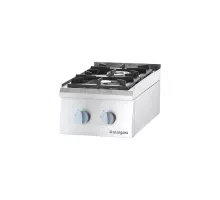
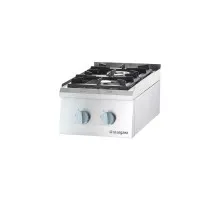
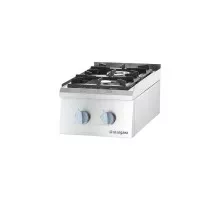
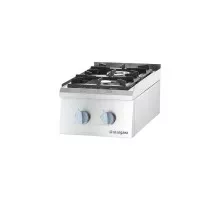
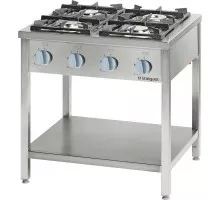
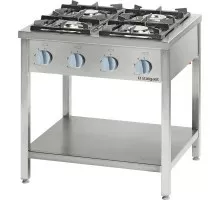
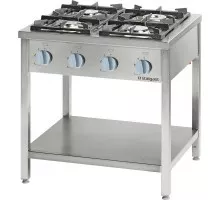
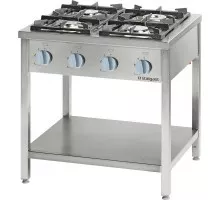
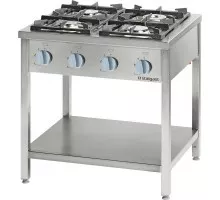
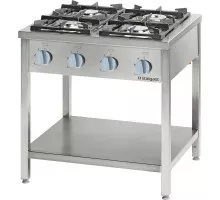
Professional stoves are used in restaurants, cafés, canteens, hotels and production kitchens for boiling, frying, stewing and cooking dishes in cookware. Unlike household models, commercial stoves are designed for daily workload, operation as part of a thermal line and use with large professional pots and pans.
When selecting a stove, it is not enough to look only at the number of burners or external size. For a professional kitchen, heating type, power, installation format, line depth, compatibility with adjacent thermal equipment, ventilation requirements, connection type and daily cleaning convenience are important.
Main types of professional stoves
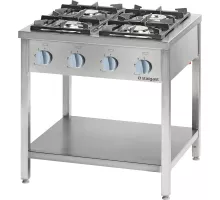
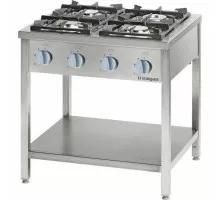
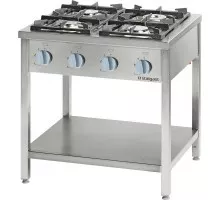
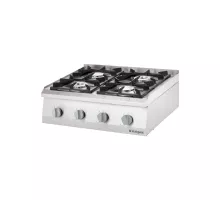
- gas stoves — suitable for kitchens that need fast heating, visible flame control and work with different cookware;
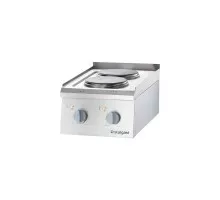
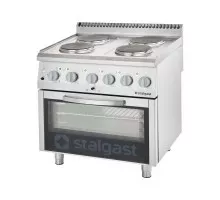
- electric stoves — used in facilities without gas or where stable heat load is required;
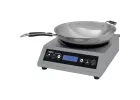
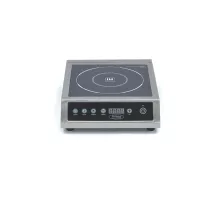
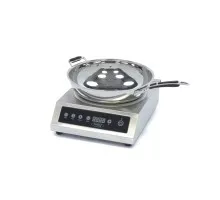
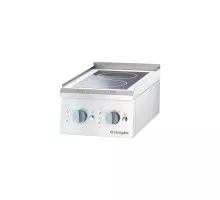
- induction stoves — provide fast heating of cookware, precise control and less heat around the workplace;
- modular stoves — installed in one line with other thermal equipment of the same depth;
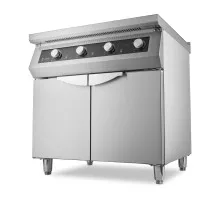
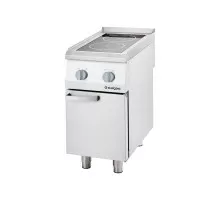
- stoves with open base, cabinet or oven — selected according to workplace organisation and additional kitchen tasks.
What to check before choosing a stove
- connection type: gas, electric or induction;
- number of burners, heating zones or working surfaces;
- power of each zone and total equipment power;
- stove dimensions and thermal line depth;
- installation type: floor-standing, countertop or modular;
- lower cabinet, open base or oven availability;
- body and work surface material;
- cleaning convenience and access to burners, panels and service zones;
- ventilation, extraction and connection safety requirements.
Practical notes from chefs
- for an intensive kitchen, not only the number of burners matters, but also the distance between them — large cookware must not block adjacent zones;
- a gas stove is convenient for fast heat changes, but it requires proper extraction and regular burner maintenance;
- an induction stove reacts quickly to adjustments, but requires compatible cookware;
- if the stove is installed in a line, its depth and height must be checked against adjacent appliances in advance;
- for large pots and pans, grate stability, body strength and easy removal of working elements for cleaning are important.
FAQ
1. Which stoves are used in professional kitchens?
Professional kitchens use gas, electric, induction and modular stoves. Selection depends on connection, workload, menu and thermal line format.
2. What is more important — power or number of burners?
Both parameters are important. The number of burners determines simultaneous work with cookware, while power affects heating speed and temperature recovery.
3. When should a gas stove be selected?
A gas stove is selected when gas connection is available, fast heat response is needed and the kitchen works with different professional cookware.
4. When is an electric stove suitable?
An electric stove is suitable for facilities without gas and for kitchens where stable heating with a clear electrical connection is required.
5. When is an induction stove needed?
An induction stove is suitable for fast heating, precise control and lower heat impact on the room, but it requires compatible cookware.
6. What should be considered when installing a stove in a thermal line?
Depth, height, connection, ventilation, adjacent modules and service access after installation must be checked.
7. What does not belong to this category?
This category does not include combi steamers, griddles, fryers, boiling kettles, accessories and spare parts unless they are stoves.
Request professional stove selection
For stove selection, it is useful to provide information about kitchen type, available connection, number of burners, line depth, expected workload and installation format.
- object type: restaurant, café, canteen, hotel or production kitchen;
- connection: gas, electric or induction;
- required number of burners or heating zones;
- installation format: countertop, floor-standing or modular line;
- dimensions, power, ventilation and service requirements.