.webp "GS24.lv")
 +371 29 148 185
 WhatsApp
 info@gs24.lv
 Contacts
Refrigeration equipment is responsible for product safety, stable temperature control and reliable operation of a professional kitchen. In restaurants, cafés, bars, shops, confectioneries, canteens and production kitchens, refrigeration affects not only product shelf life, but also food quality, stock organisation, HACCP control and reduction of product losses.
This section includes professional refrigerators, freezers, refrigerated counters, bar refrigerators, showcases, ice makers, wine coolers, cold rooms, blast chilling and freezing equipment, ice cream equipment and other solutions for storage, display, preparation and low-temperature processing of products. Refrigeration equipment is selected by temperature range, storage volume, product type, climate class, installation format, ventilation conditions and daily workload.
For a professional kitchen it is not enough to choose a cabinet or freezer by size only. It is necessary to understand which products will be stored, how often doors are opened, where the unit will be installed, whether ventilation is available and which temperature range is required for meat, fish, dairy products, desserts, drinks, semi-finished products or prepared food. Incorrect selection can lead to unstable temperature, increased energy consumption, ice formation, compressor overheating and product spoilage.
Main refrigeration equipment sections
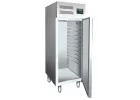
- Refrigerators and freezers — basic equipment for storing products, semi-finished products and raw materials in professional kitchens;
- Cooling counters and tables — combination of work surface and refrigerated compartments for preparation areas;
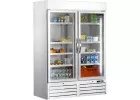
- Refrigerators and freezers with glass doors — equipment for storage and visual control of the product range;
- Refrigerators and freezers for confectioneries — solutions for desserts, creams, preparations and confectionery production;
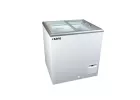
- Chest freezers — low-temperature storage for frozen products and stock reserves;
- Ice cream freezers — equipment for storage and sale of ice cream with stable low-temperature operation;
- Ice makers — professional machines for ice production in bars, restaurants, hotels and production areas;
- Bar refrigerators — compact refrigeration equipment for drinks, beer, wine, snacks and bar areas;
- Show cases — equipment for display, sale and storage of prepared food, desserts, drinks and deli products;
- Wine coolers — refrigerated cabinets for wine storage at stable temperature;
- Dry aging cabinets — equipment for meat maturation with temperature, humidity and air circulation control;
- Commercial display cases — refrigerated solutions for shops, sales areas and retail display;
- Ice cream machines — equipment for preparation, cooling and storage of ice cream;
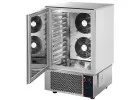
- Shock refrigeration — equipment for rapid chilling and freezing while preserving product quality;
- Refrigerator accessories — additional elements for refrigeration equipment;
- Cold rooms — solutions for storing large volumes of raw materials, semi-finished products, meat, fish and prepared products.
Storage, display and production tasks
Refrigeration equipment is selected not only by temperature, but also by task. Restaurant kitchens need cabinets, freezers and refrigerated counters. Bars need bar refrigerators, wine coolers and ice makers. Shops need display cases, glass-door cabinets and chest freezers. Confectioneries need dedicated equipment for desserts, creams, preparations and stable humidity. Production kitchens need cold rooms, blast refrigeration, dry aging and solutions for large storage volumes.
Selection by temperature range
- medium-temperature storage — for chilled products, drinks, dairy products, semi-finished products and prepared food;
- low-temperature storage — for frozen products, semi-finished products, meat, fish, ice cream and stock reserves;
- blast chilling and freezing — for rapid temperature reduction after cooking or preparation;
- temperature range for drinks and wine — for bars, restaurants and sales areas;
- special modes — for dry aging, confectionery products, ice cream and products with higher storage requirements.
What to check before selection
- temperature range and temperature stability;
- useful volume, number of shelves, drawers or GN containers;
- cooling type: static or ventilated;
- climate class and allowed room temperature;
- unit location and heat removal conditions;
- door opening frequency and temperature recovery speed;
- automatic defrost, condensate evaporation and digital control;
- door type: solid, glass, hinged or sliding;
- body and inner chamber material;
- service access, condenser cleaning and gasket replacement.
Refrigeration equipment and HACCP
Stable storage temperature is one of the key food safety factors. In professional kitchens, temperature must be controlled in refrigerators, freezers, cold rooms, showcases and counters. When working with meat, fish, dairy products, confectionery and prepared food, product groups must be separated, temperature ranges followed and actual internal temperature checked regularly.
Professional refrigerated cabinets, cold rooms and counters must be suitable for sanitary cleaning. Easy-to-clean surfaces, correct condensate drainage, functional door gaskets, access to evaporator and condenser, absence of excessive ice formation and stable automatic control are important. Regular service helps maintain stable cooling and reduces the risk of emergency shutdown.
Engineering requirements for refrigeration equipment
Before installation, it is necessary to check placement, ventilation gaps, access to the unit, power supply, heat removal and room conditions. Refrigeration equipment should not be installed directly next to heat sources, without airflow or in an overheated area. Cold rooms, ice makers, blast chillers and production solutions may require additional drain, water, floor, doorway and installation requirements.
Service, installation and spare parts
Correct installation, start-up and regular preventive maintenance are important for reliable refrigeration operation. The condition of condenser, evaporator, door gaskets, sensors, fans and controls must be checked. If temperature becomes unstable, ice forms, unusual noise appears or equipment shows frequent errors, diagnostics should be carried out before the refrigeration system stops completely.
- Service and repair of professional kitchen equipment
- Delivery, installation and dismantling
- Spare parts for HoReCa
FAQ
1. What is included in refrigeration equipment?
The section includes refrigerators, freezers, refrigerated counters, display cases, bar refrigerators, ice makers, wine coolers, cold rooms, blast refrigeration, ice cream equipment and accessories.
2. How to choose refrigeration equipment for a restaurant?
Product groups, storage volume, delivery frequency, available space, temperature ranges, kitchen format and daily workload must be defined. A restaurant usually needs refrigerated cabinets, freezers, refrigerated counters and separate solutions for drinks or desserts.
3. What is the difference between a refrigerator and a freezer?
A refrigerator works in a medium-temperature range for chilled products. A freezer maintains low temperature for long-term storage of frozen products.
4. What is the difference between static and ventilated cooling?
Static cooling distributes cold naturally, so temperature zones may differ inside the cabinet. Ventilated cooling with a fan restores temperature faster and is better for frequent door opening.
5. When is a refrigerated counter needed?
A refrigerated counter is needed in preparation areas where products must be stored next to the work surface. It is useful for pizzerias, restaurants, salad areas, confectioneries and production kitchens.
6. When should a cold room be selected?
A cold room is selected for large storage volumes, regular deliveries, separation of product groups and organised cold storage for kitchens, shops or production facilities.
7. What is blast freezing used for?
Blast freezing rapidly lowers product temperature, helps preserve structure, reduces quality loss and organises safe storage after cooking or preparation.
8. What should be considered when choosing an ice maker?
Daily ice production, ice type, water and drain availability, ventilation conditions, appliance size and ice consumption in the bar, restaurant or hotel must be considered.
9. How is a bar refrigerator different from a standard refrigerator?
A bar refrigerator is designed for drinks, frequent door opening, compact placement under the counter or in the bar area and convenient product display.
10. What is climate class?
Climate class shows at which ambient temperature and humidity the equipment can work reliably. It is especially important for hot kitchens and high-load rooms.
11. Why should refrigeration equipment not be installed without ventilation gaps?
The unit must remove heat. Without ventilation, the compressor overheats, temperature becomes unstable, energy consumption increases and breakdown risk rises.
12. Does refrigeration equipment need service?
Yes. The condenser, gaskets, sensors, fans, evaporator and temperature stability must be checked. Regular preventive maintenance reduces the risk of emergency shutdown.
13. What should be selected for a confectionery?
Confectioneries need refrigerators and freezers for desserts, creams and preparations, display cases for sales and equipment with suitable temperature range and careful air circulation.
14. How is a commercial display case different from a kitchen refrigerator?
A display case is intended not only for storage, but also for presenting products to customers. Glass, lighting, visibility, temperature range and display convenience are important.
15. What does not belong to this category?
This category does not include thermal equipment, dishwashing machines, electromechanical equipment, furniture, packaging, general kitchen utensils and spare parts unless they are directly related to refrigeration equipment.
Why GS24.lv / GASTROserviss for refrigeration equipment
- more than 20 years of experience with professional equipment for restaurants, shops, bars, hotels, confectioneries and food production facilities;
- we select refrigeration equipment by temperature range, storage volume, climate class, product type and installation conditions;
- we take into account ventilation, heat removal, power supply, unit location, service access and daily sanitary cleaning requirements;
- we can offer separate refrigerators and freezers, refrigerated counters, showcases, ice makers, cold rooms, blast freezing and accessories;
- we help divide equipment by task: storage, display, bar, confectionery, production, ice, ice cream and low-temperature processing.
Request refrigeration equipment selection
For refrigeration equipment selection, it is useful to provide information about the facility, products, temperature range, storage volume and installation place.
- facility type: restaurant, café, bar, shop, hotel, confectionery, canteen or production kitchen;
- product type: meat, fish, dairy products, desserts, drinks, semi-finished products, ice cream or prepared dishes;
- required mode: chilling, freezing, blast chilling, wine storage, ice or special temperature mode;
- approximate storage volume, number of doors, shelves, drawers or GN containers;
- installation place, room temperature, ventilation, water, drain and power supply.