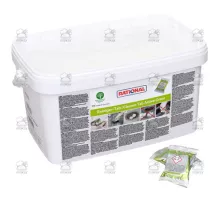
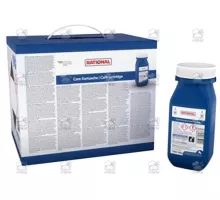
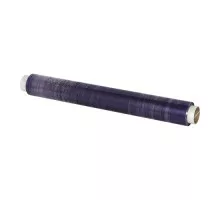
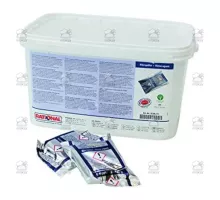
.webp "GS24.lv")
 +371 29 148 185
 WhatsApp
 info@gs24.lv
 Contacts
Restaurant supplies are used in daily kitchen, dining room, delivery, preparation, packaging, storage and serving work. This category includes materials that are constantly consumed during cooking, product protection, meal packaging, semi-finished product handling, prepared item storage and guest service.
Consumables should not be selected only by price or package appearance. For a professional kitchen, purpose, food contact, temperature range, strength, hygiene, staff convenience, equipment compatibility and stable supply are important.
Related kitchen accessory sections
- Kitchen accessories — general section for kitchen inventory, consumables and auxiliary materials;
- Small kitchen equipment — manual inventory for preparation, cooking and serving;
- GN containers — containers for storage, display, preparation and food handling;
- Serving and decoration — inventory and materials for serving, decoration and guest service;
- Disposable Tableware & Food Wraps — packaging solutions for food, delivery, take away and serving;
- Chef’s Torch — tool for caramelising, finishing and dessert work;
- Insulated transport — solutions for delivery, transport and temperature retention.
What restaurant supplies include
In a restaurant, café, bakery, culinary department, hotel or delivery service, consumables are used constantly. They are needed for food packaging, protecting prepared items, baking work, separating batches, storage, labelling, transport and meal handover.
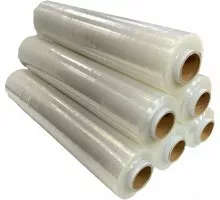
- food film for covering containers, prepared items and semi-finished products;
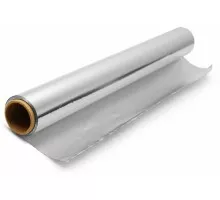
- aluminium foil for baking, storage and product protection;
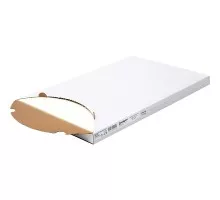
- baking paper for pastry work, trays and confectionery products;
- disposable packaging for delivery, take away and ready meals;
- materials for storage, transport and temporary product protection;
- consumable positions for kitchen, dining room, serving and order preparation;
- auxiliary materials for daily staff work.
What to consider when choosing
Before selecting supplies, it is necessary to understand where they will be used: hot kitchen, cold section, bakery, serving line, delivery or storage area. The same material may be suitable for covering a GN container but not suitable for high temperature, fatty products, long storage or transport.
- food contact and hygiene requirements;
- temperature conditions: cold, heating, baking, roasting or transport;
- packaging format, roll width, sheet size or container volume;
- strength, density, resistance to moisture, fat and tearing;
- compatibility with GN containers, trays, moulds and packaging stations;
- usage intensity and convenience of stock storage;
- task: storage, baking, packaging, delivery, serving or product protection.
Kitchen, delivery and storage
For a kitchen, speed and predictable material behaviour are important. Film must unwind properly and cover containers, foil must withstand the required mode, paper must suit baking, and packaging must keep the dish shape without slowing handover. If a consumable is inconvenient in daily work, staff lose time and material is consumed faster.
For delivery and take away, packaging format, strength, sealing, temperature retention and customer convenience are especially important. For storage, protection from drying, odours, contamination and mixing of batches matters. For baking, temperature resistance, sheet size, coating quality and tray compatibility are important.
Practical kitchen notes
- film, foil and paper should be selected for real containers, trays and work processes;
- material that is too thin can tear and increase actual consumption;
- for hot products, temperature range and material purpose must be checked;
- delivery packaging must match the dish, volume, sauce, temperature and transport time;
- supplies should be stored so they are not contaminated and are quickly accessible to staff;
- for high-flow kitchens, usage should be calculated per shift, day or week;
- different kitchen zones should not mix supplies without a clear storage system.
Common mistakes when choosing supplies
- choosing only by price without considering real consumption;
- not checking the material temperature range;
- buying the wrong roll, sheet or packaging size;
- using one material for tasks it is not designed for;
- not considering fat, moisture, sauces and product weight;
- not planning storage space for stock in the kitchen or warehouse;
- not connecting packaging with the real delivery and handover process.
Why GS24.lv / GASTROserviss for supplies
- more than 20 years of work with professional HoReCa equipment, kitchen inventory, packaging and consumables;
- we select supplies by real kitchen, delivery, baking, storage and serving tasks;
- we understand the specifics of restaurants, cafés, bakeries, culinary departments, hotels, shops and delivery services;
- we can connect supplies with GN containers, packaging, insulated transport, serving and small kitchen equipment;
- we focus on stability, staff convenience and practical consumption, not only on item name;
- we help select materials for daily work without unnecessary process complication.
Request supply selection
For consumable selection, it is useful to specify where they will be used, with which products and in what volume.
- site type: restaurant, café, bakery, culinary department, hotel, shop or delivery;
- task: packaging, storage, baking, roasting, serving or transport;
- container, tray, packaging dimensions or required roll format;
- temperature range and food contact;
- approximate usage per day, week or shift;
- whether GN containers, disposable packaging, thermal bags or inventory are also needed.
FAQ
1. What is included in restaurant supplies?
Supplies include materials for kitchen work, packaging, storage, baking, serving and delivery: food film, foil, baking paper, packaging and other daily use positions.
2. How to choose food film for a kitchen?
Roll width, unwinding convenience, food contact, container type, storage task and usage intensity should be considered.
3. How is baking paper different from ordinary paper?
Baking paper is designed for baking work and temperature. Ordinary paper is not suitable for these tasks and may be unsafe.
4. How to choose packaging for food delivery?
Dish type, volume, temperature, sauce, transport time, sealing, strength and customer convenience should be considered.
5. Why can cheap supplies be unprofitable?
If material tears, unwinds poorly, does not hold shape or does not fit the size, actual consumption and time loss may be higher.
6. What supplies are needed for a bakery?
Baking paper, packaging for baked goods, materials for storing prepared items, film, foil and handover materials are usually needed.
7. What is important for storing supplies?
Supplies should be stored in a dry, clean and accessible place so staff can quickly find the needed material without contaminating it during work.