.webp "GS24.lv")
 +371 29 148 185
 WhatsApp
 info@gs24.lv
 Contacts
Electromechanical equipment helps automate the most labour-intensive processes in a professional kitchen. Dough preparation, vegetable cutting, meat processing, grinding, whipping, grating, packing and semi-finished product preparation are faster and more stable when the equipment is selected for the real kitchen process, not only by motor power or body size.
In restaurants, cafés, canteens, bakeries, confectioneries, meat preparation areas and production kitchens, electromechanical machines reduce manual workload, speed up raw material preparation and help maintain repeatable results during the shift. Such equipment is especially important where the same operations are performed every day: vegetable cutting, dough mixing, meat grinding, product packing, sauce preparation, creams, purées and preparations.
Unlike thermal equipment, electromechanical appliances usually do not cook the product, but prepare it for the next stage: heat treatment, storage, packing, sale or serving. Therefore, selection starts with the product and operation: what needs to be done, in what volume, how often, by which staff and with which requirements for cleaning, safety and hygiene.
Main electromechanical equipment sections
- Meat processing equipment — meat grinders, mixers, cutters, saws and other machines for meat preparation and semi-finished products;
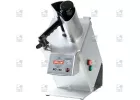
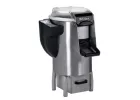
- Vegetable processing — vegetable cutters, peelers, machines for slicing, peeling, shredding and preparation of vegetables;
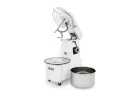
- Dough and pasta preparation — dough mixers, dough sheeters, pasta machines and equipment for bakery processes;
- Packing — equipment for vacuum packing, packaging and preparing products for storage, sale or logistics;
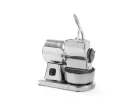
- Cheese graters — machines for fast and uniform grating of cheese and other products in restaurants, pizzerias and production;
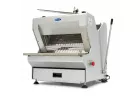
- Bread slicers — equipment for accurate and even slicing of bread, loaves and bakery products;
- Electromechanical mussel cleaners — specialised equipment for seafood processing;
- Egg incubators — specialised appliances for controlled incubation mode;
- Hand mixers — immersion mixers and hand-held appliances for soups, sauces, creams, purées and production preparations.
How electromechanical equipment reduces kitchen workload
In a professional kitchen, manual product preparation quickly becomes a limitation. Cutting dozens of kilograms of vegetables, mixing dense dough, grinding meat, whipping creams or packing products by hand is possible only up to a certain volume. After that the kitchen loses speed, staff workload increases and differences appear in cutting, mixing or packing quality.
Properly selected equipment helps standardise the process: uniform cutting, stable minced meat texture, repeatable dough mixing, even cheese grating, accurate bread slicing and predictable packing. This is important for productivity, dish quality, cost control, preparation planning and hygiene requirements.
Different tasks require different equipment
- for meat areas, productivity, feed opening size, knives, plates, safety and easy disassembly are important;
- for vegetable areas, cutting types, disc set, speed, stable results and easy cleaning are important;
- for dough, bowl volume, mixing type, dough density, motor duty cycle and construction strength are important;
- for packing, chamber size, pump performance, vacuum mode, bags, film and product storage requirements are important;
- for hand mixers, shaft length, power, container volume, attachment type and comfort in deep vessels are important.
Practical notes from chefs and kitchen staff
- a vegetable cutter saves time only when the discs match the actual menu, not only the standard set;
- a meat grinder should not be selected only by motor power — productivity, feed opening, knives, plates and daily cleaning are important;
- an immersion mixer must match the depth of the container: a shaft that is too short is inconvenient for large pots and kettles;
- for dough, not only loading weight matters, but also dough type: pizza, bread, pasta, pastry masses and dense mixtures need different mechanics;
- a bread slicer must produce an even cut without excessive crumbs, otherwise staff spend time on sorting and cleaning;
- if the appliance is difficult to disassemble and wash after the shift, staff lose time and the equipment quickly becomes a kitchen problem;
- for production, continuous operation mode, motor overheating and availability of consumable parts should be checked in advance.
Tips for selecting electromechanical equipment
- start selection from the product and operation: cutting, grinding, mixing, whipping, grating, packing or peeling;
- calculate not only maximum productivity, but also actual load during peak hours;
- check how quickly the equipment can be disassembled, washed and assembled again;
- take consumable elements into account: knives, plates, discs, belts, bags, film, attachments and working tools;
- separate equipment for restaurant kitchens, bakeries, meat areas, vegetable areas and production;
- do not use household appliances instead of professional equipment if the appliance must work daily under load;
- check power supply, dimensions, weight, stability, operator protection and workplace requirements.
What to check before purchase
- product type: meat, vegetables, dough, cheese, bread, sauces, creams, semi-finished products or prepared products;
- operation type: cutting, grinding, mixing, whipping, grating, peeling, packing or blending;
- productivity per hour, shift or working day;
- loading volume, working chamber, bowl or container size;
- motor power and allowed duty cycle;
- availability of interchangeable knives, discs, attachments and components;
- material of body and food-contact parts;
- ease of disassembly, washing and sanitary cleaning;
- operator protection, safety locks and equipment stability;
- availability of service, consumables and spare parts.
Hygiene, safety and staff training
Electromechanical equipment is in direct contact with products, so materials, cleaning access and operator safety are important. Knives, discs, plates, working chambers, attachments and feed areas must be accessible for cleaning. For meat, vegetable and dough equipment, product residues in hard-to-reach areas must be avoided, because this affects hygiene, odour, equipment life and quality of the next batch.
Staff must understand how to load products correctly, which modes to use, how to perform daily cleaning and what to do in case of unusual noise, vibration or overheating. Proper training reduces injury risk, extends equipment life and helps prevent errors that lead to breakdowns or kitchen downtime.
Service, installation and spare parts
Electromechanical equipment includes motors, gearboxes, belts, knives, discs, attachments, electronic components and safety elements. Stable operation requires correct connection, regular preventive maintenance and availability of consumable parts. Before purchase, it is important to understand which elements wear out, whether they can be replaced quickly and whether service support is available for the specific model.
- Service and repair of professional kitchen equipment
- Delivery, installation and dismantling
- Spare parts for HoReCa
FAQ
1. What is included in electromechanical equipment?
The section includes equipment for meat, vegetables, dough, pasta, packing, cheese grating, bread slicing, hand mixers and specialised machines for product preparation.
2. How does electromechanical equipment differ from thermal equipment?
Thermal equipment heats, fries, boils or bakes. Electromechanical equipment prepares the product: cuts, grinds, mixes, whips, grates, peels or packs.
3. How to choose electromechanical equipment for a small kitchen?
For a small kitchen, the main processes must be covered without overloading the workspace. Usually the first items to consider are a vegetable cutter, hand mixer, compact meat grinder, dough mixer or packing machine, depending on menu and daily load.
4. How is professional equipment different from household appliances?
Professional appliances are designed for longer operation, higher load, frequent washing, reinforced components, operator protection and stable results in daily use.
5. How to choose a vegetable cutter?
Cutting types, disc set, productivity, loading convenience, result stability, operator safety and ease of washing after the shift must be checked.
6. How to choose a meat grinder for a professional kitchen?
Productivity, feed opening size, knife and plate type, motor power, duty cycle, ease of disassembly and match with meat preparation volume are important.
7. When is a dough mixer needed?
A dough mixer is needed if the kitchen, bakery or pizzeria regularly works with dough. Selection depends on bowl volume, dough type, mixture density and daily load.
8. How does a hand mixer differ from a stationary mixer?
A hand mixer is convenient for working directly in a pot, kettle or container. A stationary appliance is better for repeatable processes with fixed loading.
9. What should be considered when choosing packing equipment?
Packaging type, product size, workload, vacuum mode, consumables, installation place and storage requirements must be considered.
10. Why are disassembly and cleaning important?
The equipment contacts food products. If it is difficult to disassemble and clean, contamination, odours, product residues and hygiene problems may increase.
11. Which consumable elements must be considered?
Depending on the appliance, these include knives, plates, discs, attachments, belts, seals, bags, film and other elements that require periodic replacement.
12. Is staff training required?
Yes. Staff must know loading rules, safe operation, disassembly, cleaning and how to stop the appliance in case of unusual noise, vibration or overheating.
13. How to estimate required productivity?
It is necessary to calculate not only daily volume, but also peak periods: how much product must be prepared per hour or before the start of the shift.
14. What is important for meat processing equipment?
Strength, safe loading, productivity, knife quality, easy disassembly, sanitary cleaning and availability of replacement plates and parts are important.
15. What does not belong to this category?
This category does not include thermal equipment, refrigeration equipment, dishwashing machines, furniture, general kitchen utensils and spare parts unless they are part of electromechanical equipment.
Why GS24.lv / GASTROserviss for electromechanical equipment
- more than 20 years of experience with professional equipment for restaurants, cafés, bakeries, meat areas, canteens and production kitchens;
- we select appliances by product, operation, productivity, duty cycle and sanitary cleaning requirements;
- we take into account consumables, knives, discs, attachments, working tools, service and spare part availability;
- we help divide equipment by kitchen area: meat, vegetables, dough, packing, cheese, bread, sauces and hand processing;
- we can supply equipment, consumables, components and spare parts required for further operation.
Request electromechanical equipment selection
For equipment selection, it is useful to provide information about the product, operation, workload, operating mode and installation place.
- which product must be processed: meat, vegetables, dough, cheese, bread, sauces, creams or semi-finished products;
- which operation is needed: cutting, grinding, mixing, whipping, grating, peeling, packing or blending;
- approximate volume per hour, shift or day;
- kitchen format: restaurant, café, bakery, meat area, canteen, confectionery or production;
- requirements for washing, disassembly, consumables, power supply and service.