.webp "GS24.lv")
 +371 29 148 185
 WhatsApp
 info@gs24.lv
 Contacts
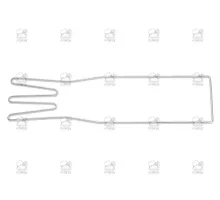
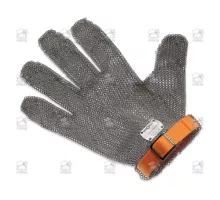
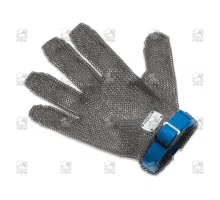
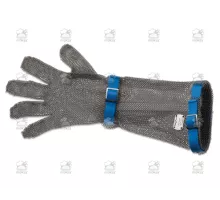
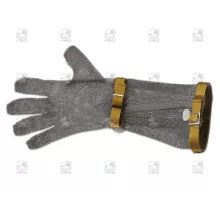
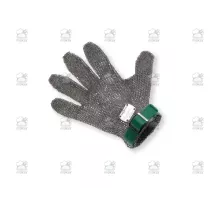
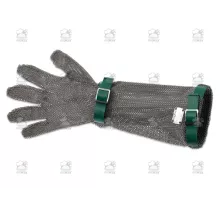
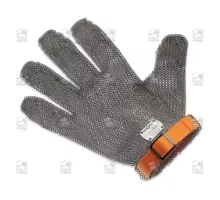
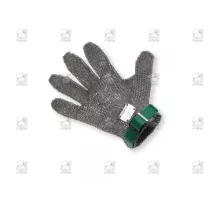
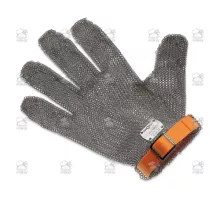
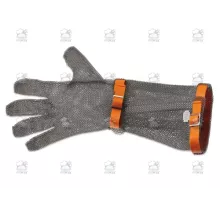
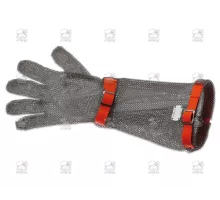
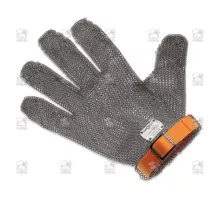
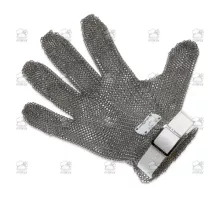
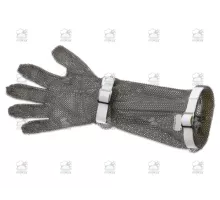
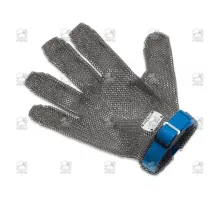
Protective gloves and metal protective aprons are used in professional kitchens, meat preparation areas, boning, cutting, slicing and work with sharp tools. They help reduce the risk of cuts when working with knives, slicers, scissors, fish, meat, poultry, vegetables and other products where the hand or body is close to the cutting edge.
Protective gloves cover the hand, fingers and grip area, while metal protective aprons protect the body, abdomen, thigh and front working zone of the operator. For professional work, it is important to consider not only the general protection level, but also the exact operation: boning, trimming, cutting, slicing, slicer work, fish preparation, poultry or meat semi-finished product preparation.
Related knife and cutting tool sections
- Knives & Sharpeners — general section for professional knives, sharpeners, holders and cutting tool accessories;
- Chef's and Kitchen knives — knives for daily food preparation, slicing, peeling and kitchen work;
- Meat processing knives — knives for cutting, boning, trimming, portioning and meat preparation areas;
- Knife sharpeners — tools for maintaining the cutting edge and keeping knives in working condition;
- Scissors, shears — kitchen and professional scissors for auxiliary operations;
- Knive blocks, knive sets — solutions for knife storage and workstation organisation;
- Knife magnets — wall storage for knives with quick access and free work surface.
Where protective gloves and metal aprons are used
The main task of protective equipment is to reduce injury risk where work is repeated many times during a shift and a cutting tool is close to the hand, body or front side of the operator. This is especially important in meat areas, boning, cutting, fish and poultry work, slicers, vegetables and packaging with sharp edges.
- meat boning and work near bone;
- cutting meat, fish and poultry;
- trimming, portioning and repeated slicing;
- work with slicers, scissors and other cutting tools;
- preparation of vegetables, herbs and products with unstable shape;
- wet work areas where tool slipping risk increases;
- sections where one worker performs repeated knife operations for a long time.
Material, fit and protection level
Protective gloves differ by material, construction, protection level and purpose. For some tasks, maximum cut resistance is important, while for others finger flexibility, movement precision, hand fit and sanitation are more important. In meat areas and boning sections, reinforced protection, stable fixation and comfort during the whole shift are often critical.
A metal protective apron is selected by size, length, protection zone, adjustment and fit. It should not restrict movement, but it must protect the body area where a knife may move toward the operator. For intensive cutting, strength, sanitation, stable fasteners and correct fit by height and working position are important.
Brands of protective gloves, aprons and cutting tools
This category includes protective gloves, metal aprons and related cutting tools from manufacturers used in professional kitchens, meat preparation areas and food preparation sections.
- Giesser — professional knives, protective and cutting tools for kitchens, cutting work and meat areas;
- F.Dick — professional cutting tools, knives and accessories for butchers, chefs and food production;
- Victorinox — knives and kitchen tools for professional preparation, slicing and cutting tasks;
- Hendi — kitchen tools, accessories and protective solutions for HoReCa.
Hygiene, washing and storage
Protective equipment must not only protect from cuts, but also be maintained properly. It is important to know in advance how the glove or metal apron is washed, dried, stored and used between operations. If the item is used in a food area, contact with products, moisture, fat, detergents and sanitation rules must be considered.
- gloves and aprons should be stored separately from dirty tools;
- after work with raw meat, fish or poultry, correct sanitation is required;
- protective items should not be left wet in a closed place;
- damage, tears, deformation or loose fasteners reduce protection level;
- separate protective sets may be needed for different sections.
Practical notes from chefs, butchers and technologists
- gloves and aprons do not replace correct knife technique, but reduce injury risk in case of a mistake or slipped movement;
- in a meat area, not only protection but also comfort during the whole shift must be checked;
- during boning and trimming, the hand often works near bone and the cutting edge, so protection must be stable;
- a metal apron is especially important where the knife works toward the body or thigh of the operator;
- a glove that is too large reduces precision and may create extra risk;
- for wet products, hand fixation and slip control are important;
- if knives are dull, the worker applies more force and injury risk grows even with protective equipment.
Common mistakes in selection and use
- gloves or aprons are selected without understanding the exact operation;
- size, fit and movement comfort are not checked;
- one protective item is used for different zones without proper washing and process separation;
- moisture, fat and slipping at the workstation are not considered;
- protective equipment is treated as if it fully eliminates cut risk;
- damaged, stretched or deformed protection continues to be used;
- protection selection is not connected with knife condition, sharpeners and workstation organisation.
FAQ
1. What are protective gloves used for in a kitchen?
They are used to reduce cut risk when working with knives, slicers, scissors, meat, fish, poultry, vegetables and other products where the hand is close to the cutting tool.
2. When is a metal protective apron needed?
A metal protective apron is needed during boning, cutting and other operations where a knife may move toward the body, abdomen or thigh of the operator.
3. How to choose the size of a protective glove?
The glove should fit firmly but not restrict finger movement. A loose glove reduces control, while a tight glove quickly tires the hand.
4. Does protective equipment fully prevent cuts?
No. It reduces injury risk but does not replace correct work technique, a sharp and safe knife, careful movement and proper workstation organisation.
5. Can one protective item be used for different products?
This depends on the sanitation organisation of the section. Work with raw meat, fish, poultry, vegetables and finished products requires washing, process separation and hygiene control.
6. What is important in meat work and boning?
Protection level, hand and body fit, fixation, movement comfort, sanitation and knife condition are important. A dull knife increases injury risk.
7. When should protection be replaced?
Protective gloves or aprons should be replaced when damaged, deformed, loose, unsanitary or when they no longer provide the required control and protection.
Why GS24.lv / GASTROserviss for protective gloves, aprons and cutting tools
- more than 20 years of work with professional HoReCa equipment, kitchen tools and workstation solutions for restaurants, cafés, meat areas and production kitchens;
- we select protective gloves and metal aprons not separately from the process, but together with knives, sharpeners, workstation, workload and staff tasks;
- we consider real kitchen conditions: moisture, fat, repeated movements, washing, sanitation requirements and staff safety;
- we can help assemble a section set: knives, sharpeners, protective gloves, metal aprons, holders, magnets and cutting tool storage;
- we understand the difference between standard kitchen preparation, meat area, boning, cutting and intensive production work;
- we help choose a solution that reduces injury risk and does not slow down staff work.
Request protective glove and apron selection
For protective equipment selection, it is useful to specify where it will be used, which products staff work with and which cutting tools are used.
- work section: kitchen, meat area, fish, poultry, vegetables, packaging or universal preparation;
- operations: slicing, boning, cutting, trimming, slicer work or scissors work;
- whether only gloves or also a metal protective apron are needed;
- whether high cut protection or finger flexibility is more important;
- hand size, height, body protection zone and fixing requirements;
- washing conditions, moisture, sanitation requirements and work intensity.